

In the evolving landscape of the digital world, on-chain gambling is making significant strides. The intersection of blockchain technology and gaming has opened new avenues for transparency, security, and player engagement. One interesting player in this space is Real On-Chain Gambling Use Cases vs Marketing Hype Bitfortune casino crypto, highlighting the potential of cryptocurrencies in enhancing the gambling experience. This article explores various real use cases of on-chain gambling, illustrating how decentralized platforms are not just theoretical concepts but tangible applications changing the industry.
What is On-Chain Gambling?
On-chain gambling refers to betting activities conducted directly on the blockchain. Transactions are verified by the network, thus eliminating the need for a central authority. In contrast to traditional online gambling, which is often tantamount to relying on a central server to manage bets and payouts, on-chain gambling utilizes smart contracts to automate the process securely. This shift reduces the risks associated with fraud and manipulation, providing a more trustworthy environment for players.
Benefits of On-Chain Gambling
The adoption of blockchain technology in gambling presents several advantages:
- Transparency: All transactions are recorded on the blockchain and are publicly accessible. This ensures that players can verify the fairness of games and the legitimacy of payouts.
- Security: The decentralized nature of blockchain technology means that there is no single point of failure. This significantly lowers the risk of hacking and fraud.
- Accessibility: Players from around the world can access on-chain gambling platforms without the barriers presented by traditional banking systems. Cryptocurrency payment options further enhance global accessibility.
- Reduced Fees: Without intermediaries such as banks or payment processors, transaction fees are often lower, allowing players to retain a larger portion of their winnings.
Real Use Cases of On-Chain Gambling
1. Decentralized Casinos
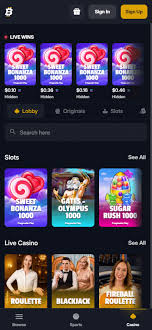
Decentralized casinos are digital platforms that operate entirely on smart contracts. These casinos host a variety of games, including slots, poker, and live dealer games, while ensuring that the odds and game rules are transparent and verifiable. Players can wager using cryptocurrencies, and all transactions are recorded on the blockchain. Notable examples include platforms like Edgeless and Funfair, which leverage Ethereum’s blockchain to operate their services.
2. Peer-to-Peer Betting Platforms
Peer-to-peer betting platforms allow users to create their own bets and set their own odds, fostering a more personal gambling experience. Instead of betting against a centralized house, players can challenge each other directly. One such platform is Champion.bet, which utilizes blockchain technology to facilitate transparent and trustless betting between users.
3. Blockchain-Based Lottery Systems
Lotteries are among the simplest forms of gambling that can be easily adapted to blockchain. A notable example of this use case is Lottery.com, which enhances trust and security in lottery systems by recording all entries and winner selections on the blockchain. This method ensures fairness and accessibility, enabling players to buy tickets and claim prizes using cryptocurrency.
4. Sports Betting
The sports betting industry has seen a significant transformation with the introduction of blockchain technology. Platforms like Rivalry leverage blockchain to offer transparent odds and secure transactions while enabling users to place bets on various sporting events using cryptocurrencies. This level of innovation enhances the user experience and builds trust within the community.

Challenges Facing On-Chain Gambling
Despite its advantages, on-chain gambling also faces several challenges:
- Regulation: As the gambling industry is heavily regulated in many jurisdictions, creating a compliant on-chain gambling platform can be complex. Navigating the regulatory environment can pose significant hurdles for blockchain-based operators.
- Scalability: Although blockchain has improved significantly in terms of transaction speed and efficiency, issues of scalability remain important. High transaction volumes may lead to congestion, resulting in slow processing times and high fees.
- User Awareness: Many potential users are still unaware of the benefits and functionality of on-chain gambling. Increasing education and awareness of blockchain technology is essential for broader adoption.
The Future of On-Chain Gambling
The future of on-chain gambling looks promising. As blockchain technology continues to mature, we can expect the emergence of more sophisticated platforms offering a wider variety of games and betting options. Integration with innovations such as augmented reality (AR) and virtual reality (VR) could further enhance the user experience, making online gambling more immersive.
Collaborations between tech companies and traditional casinos may also facilitate the integration of blockchain solutions, leading to hybrid models that blend the best aspects of both worlds. As regulatory environments adapt to accommodate new technologies, the potential for on-chain gambling will continue to expand.
Conclusion
On-chain gambling is redefining the landscape of the gaming industry. By leveraging blockchain technology, it addresses many challenges faced by traditional gambling platforms, providing increased transparency, security, and accessibility. Real use cases are already demonstrating the potential of this evolution, as platforms offer new ways for players to engage in their favorite pastime. As the technology and ecosystem continue to develop, on-chain gambling will likely play a pivotal role in shaping the future of betting and gaming.